How Connacht Rugby turned disruption into a blueprint for sustainable growth
In modern sport, growth is no longer dictated by stadium size alone. When physical capacity becomes a constraint, data, technology, and adaptability determine what’s possible next. Enabled by Future Ticketing’s technology, Connacht Rugby demonstrated how high-performance ticketing technology can empower opportunity enabling the club to capture richer fan data, remain commercially agile through disruption, and lay the foundations for sustainable growth well before the opening of its new stadium.
Because when physical capacity is constrained, data becomes the only scalable asset.
Start with the end in mind
As early as the 2022/23 season, Connacht articulated a clear, long-term vision: know every supporter. The objective wasn’t simply to sell tickets more efficiently, but to ensure that every person entering the stadium was identifiable, contactable, and part of a future relationship — all in preparation for a 12,000-seat stadium coming online by 2025/26. That clarity mattered. It meant decisions weren’t reactive; they were directional.
The introduction of a Digital Ticketing App (PWA) wasn’t about novelty. It was about control, compliance, and continuity. By enabling secure, GDPR-compliant ticket sharing, Connacht preserved the social nature of matchdays while still capturing first-party data. Season ticket holders retained flexibility, food and beverage revenue remained protected, and critically, the club fully exited anonymous e-tickets. This was not a technology upgrade. It was a data infrastructure decision.
Designing for disruption, not stability
Redevelopment rarely follows the original Gantt chart. Connacht’s didn’t.
Across multiple seasons, the club operated in a state of flux:
-
Season ticket holders relocated from the Clan Stand
-
Reduced-capacity stadium operations
-
Revised seating plans for general admission
-
Caps on season ticket sales to protect future acquisition
-
Parallel seating configurations during phased construction
-
Unexpected architectural changes after seats were sold
At each point, the easy option would have been to protect short-term revenue. Instead, Connacht repeatedly chose long-term optionality. Capping season tickets in a reduced-capacity stadium, for example, is counterintuitive. But it ensured space for new supporters, new data, and new relationships, a critical input for a future stadium that would need demand far beyond its historical base.
Thinking beyond the stadium walls
Perhaps the most unconventional decision came when delays pushed redevelopment into 2026. Rather than accept another season of constrained growth, Connacht asked a different question:
What if we grew the audience instead of waiting for the stadium?
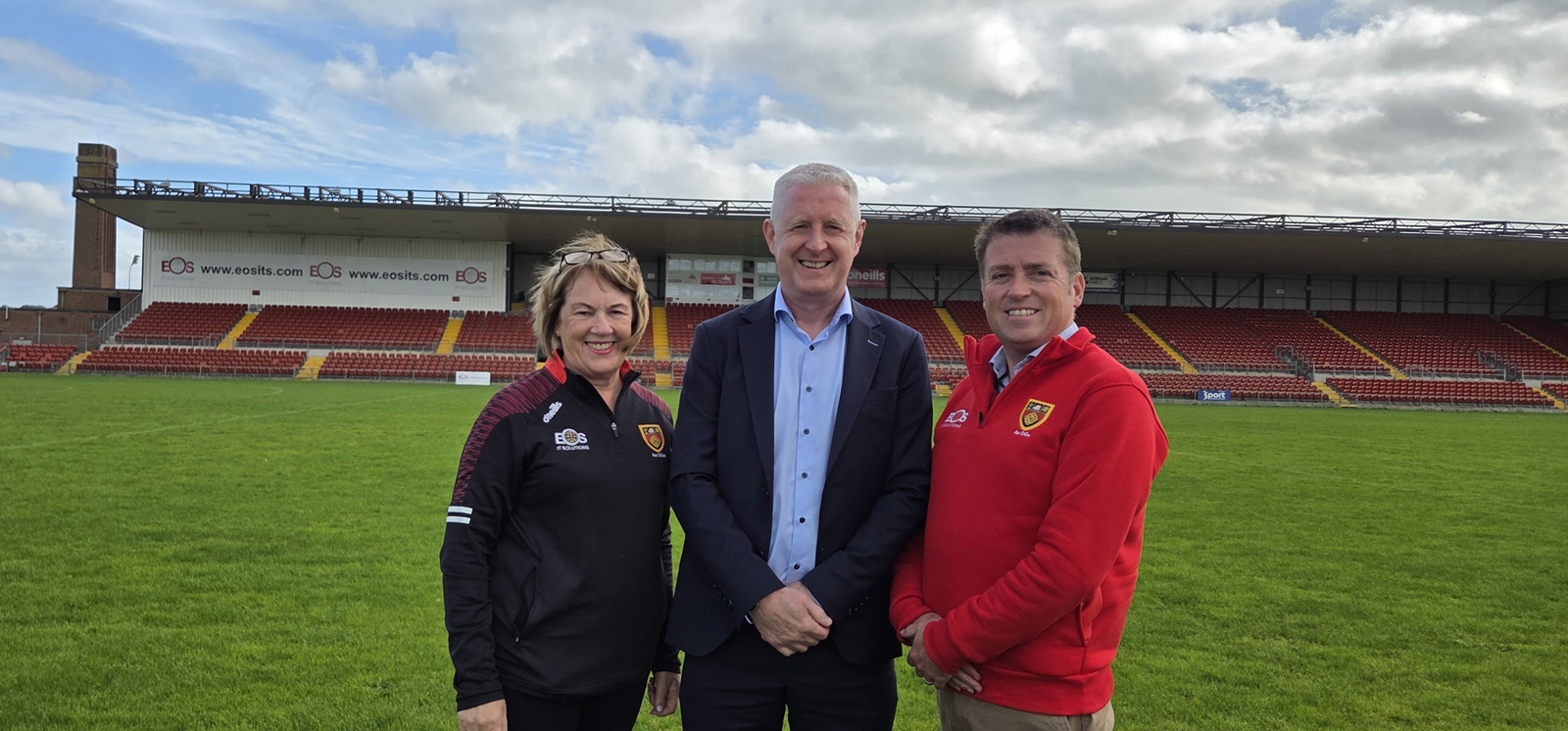
The relocation fixture at MacHale Park wasn’t just about revenue. It was a deliberate data-acquisition and brand-expansion strategy:
-
Introducing professional rugby to a new region
-
Engaging a new demographic of supporters
-
Building relationships with local sponsors and media
-
Stress-testing operational scalability ahead of the new stadium
Preparing to host over 27,500 fans required more than logistics. It required confidence that ticketing, access control, and real-time analytics could scale without compromising experience.
Sequential release strategies, tailored seating plans, efficient access control, and live crowd monitoring ensured the event felt intentional, not experimental. Most importantly, Connacht didn’t just host a big game; they captured a new audience and brought them into the ecosystem.
That’s thinking beyond bricks and mortar.
From transactions to trajectories
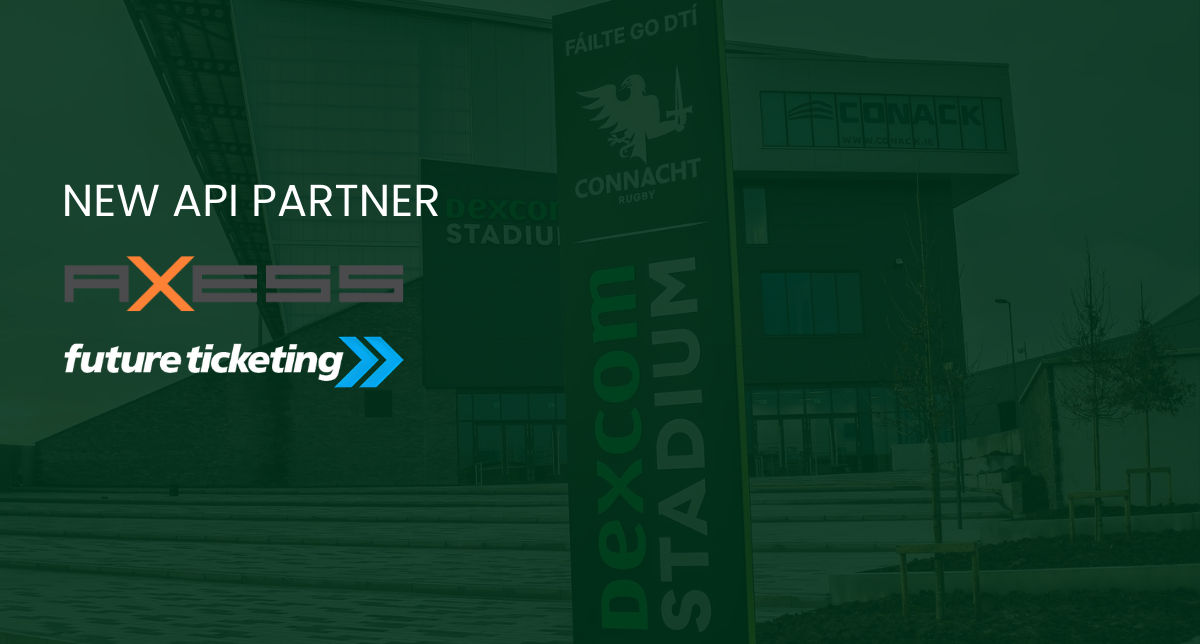
The opening of Dexcom Stadium in January marks the end of one chapter, not the finish line. With automated turnstiles, deeper integrations, and a forthcoming Connacht Rugby app, the next phase is about monetisation through relevance.
For the 2026/27 season, the focus shifts to:
-
Hospitality growth driven by behavioural data
-
Personalised upsell journeys
-
Richer CRM segmentation
-
Turning attendance history into lifetime value
Because the real return on a stadium isn’t seat count, it’s how intelligently you activate the people sitting in them.
The bigger lesson
Connacht Rugby’s journey offers a wider lesson for sports organisations navigating uncertainty:
Growth doesn’t come from waiting for perfect conditions. It comes from designing systems that thrive in imperfect ones.
By treating disruption as a design constraint, prioritising first-party data, and consistently choosing long-term fan relationships over short-term fixes, Connacht turned a complex redevelopment into a strategic advantage.
And when the gates open on a full Dexcom Stadium, they won’t just have more seats.
They’ll have smarter, deeper, more valuable data ready to fill them.